 23.9 km
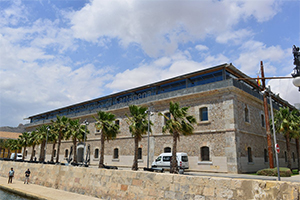 The Museo Naval de Cartagena houses an impressive collection of maritime artifacts and documents that illustrate Cartagena's rich maritime history. Visitors can admire historic ship models, navigation instruments and exhibits on maritime conflicts. The museum also offers insight into the important role Cartagena played in Spanish maritime history.
23.1 km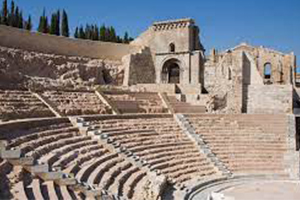 The Roman Theater in Cartagena is a well-preserved historical site and one of the most important Roman theaters in the country. Visitors can enjoy impressive architecture from the 1st century BC, with well-preserved stands and stage structures. The adjacent museum provides further insights into the history of the theater and the Roman period in the region.
50.7 km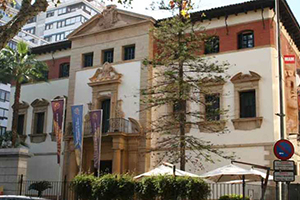 The Museo Arqueológico de Murcia houses an extensive collection of archaeological finds that illuminate the history of the region. Visitors can enjoy artifacts from different periods, including prehistoric, Roman and Islamic remains. The museum offers a fascinating look at the diverse cultures that have influenced and shaped the region.
49.6 km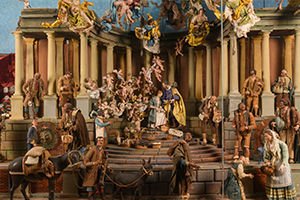 The Museo Salzillo in Murcia honors the Spanish sculptor Francisco Salzillo, known for his masterpieces in the Baroque style, especially in the field of religious art. The museum houses an extensive collection of sculptures, including the famous processional statues created by Salzillo. Visitors can admire these works of art and learn about the life and artistic contributions of this talented sculptor.
48.3 km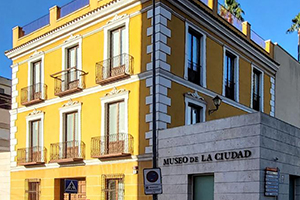 The Museo de la Ciudad in Murcia offers a fascinating glimpse into the city's history and culture. The museum displays an extensive collection of artefacts, works of art and historical documents that illustrate the evolution of Murcia over the centuries. Visitors can explore the various exhibitions to gain a deeper insight into local history, traditions and artistic heritage.
55.3 km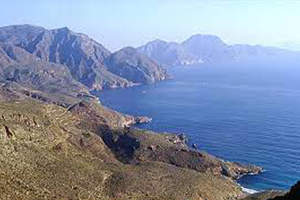 Murcia's Centro de Interpretación de la Industria Harinera offers insight into the region's historic milling industry. Visitors can explore the exhibits to understand the evolution of mills and milling techniques over time. The museum highlights the role of this industry in Murcia's economy and its influence on the local community.
104 km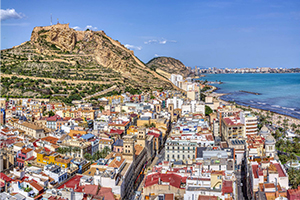 Located on the Costa Blanca, Alicante has a rich culture and history dating back to ancient times. The Castillo de Santa Bárbara, an imposing castle on top of Mount Benacantil, bears witness to the strategic importance of the city over the centuries. The Explanada de España, with its distinctive mosaics and palm trees, reflects Alicante's vibrant Mediterranean atmosphere, while the historic Barrio de Santa Cruz district charms with its narrow streets and colorful houses, giving visitors a glimpse of traditional Spanish life.
10 km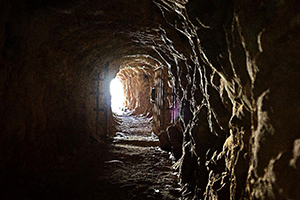 Cabezo Gordo in Torre Pacheco, is a striking hill known for its archaeological and natural significance. The site is home to prehistoric remains, including petroglyphs and megalithic structures, dating back to the Neolithic period. The panoramic views from the top not only provide beautiful scenery of the surrounding region, but also the opportunity to appreciate Cabezo Gordo's rich history.
74 km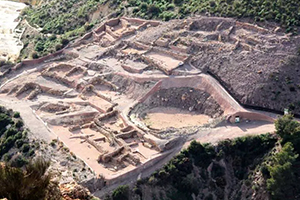 The La Bastida Archaeological Site in Totana, is an important archaeological site dating back to the Bronze Age. This settlement reveals impressive structures such as city walls, residential houses and a remarkable structure, indicating that La Bastida was an advanced society. The archaeological research has provided valuable insights into the social organization and economic activities of this ancient community.
17.6 km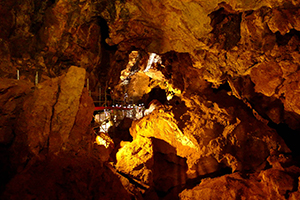 Cueva Victoria in La Unión, is a remarkable cave known for its archaeological and paleontological wealth. This cave has revealed prehistoric remains, including fossils of extinct animals and artifacts dating back to the Pleistocene. The discoveries at Cueva Victoria shed light on the early human presence in the Iberian Peninsula and provide valuable information on the paleontology and archeology of the region.

© Casa Guapa - 2023

 NL
 EN